


India’s steel industry has grown remarkably over the past few decades, becoming one of the largest steel-producing nations in the world. In recent years, small-scale industries have emerged as key players in this sector’s success, providing essential support and complementing the efforts of major steel companies. The relationship between large steel enterprises and smaller businesses has created a synergistic ecosystem that fosters growth, innovation, and economic development across the country. This blog explores the critical role of small enterprises in the thriving steel industry of India and how this collaboration is transforming the sector.
- Overview of India’s Steel Industry
India is the second-largest producer of steel globally, with a production capacity that continues to expand rapidly. According to data from the World Steel Association, India produced approximately 125 million metric tons of steel in 2021, contributing significantly to the global market. The country’s growing infrastructure needs, industrialization, and urbanization have driven demand for steel, leading to increased production by large companies such as Tata Steel, Steel Authority of India Limited (SAIL), and JSW Steel.
These major players in the steel industry rely on advanced technologies, large-scale production facilities, and well-established supply chains. However, they also depend heavily on a network of smaller industries to ensure smooth operations and maintain competitiveness. Small and medium-sized enterprises (SMEs) have become indispensable partners, providing raw materials, auxiliary services, and specialized products to the steel giants.
- The Role of Small-Scale Industries in the Steel Sector
Small industries contribute to the steel sector in multiple ways, ranging from raw material supply to offering specialized services like fabrication, maintenance, and logistics. Some of the most critical roles played by SMEs in supporting the steel industry include:
- Supply of Raw Materials
SMEs play a vital role in supplying raw materials such as coal, iron ore, and ferroalloys, which are essential for steel production. These smaller enterprises often operate mines or process raw materials before delivering them to larger steel producers. By ensuring the steady supply of high-quality raw materials, SMEs enable large steel companies to focus on refining their production processes.
Additionally, many small industries specialize in scrap recycling, a crucial part of sustainable steel production. With growing emphasis on environmentally friendly practices, these SMEs collect and process scrap metal, reducing the environmental footprint of the steel industry.
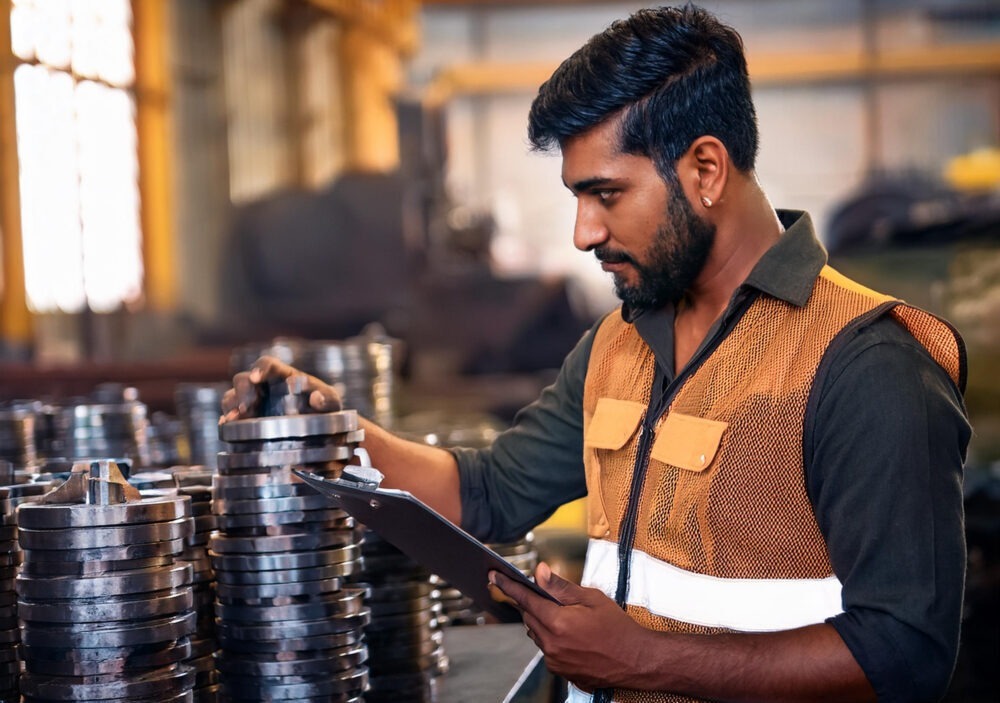

- Manufacturing of Ancillary Products
The steel production process requires several ancillary products, including refractories, electrodes, and lubricants. Small industries across India have specialized in manufacturing these products, which are essential for the smooth functioning of steel plants. These SMEs typically operate in niche markets, providing customized solutions that large steel companies depend on for their day-to-day operations.
For example, refractories are crucial for maintaining high temperatures during steel production, and specialized SMEs have established a robust manufacturing base for these materials. The ability of small industries to provide such products at competitive prices helps major steel companies reduce their costs and maintain profitability.
- Fabrication and Engineering Services
Another critical area where small industries support the steel sector is in fabrication and engineering services. Many SMEs specialize in machining, casting, forging, and other processes required to shape steel into various products. Whether it’s creating automotive components, construction materials, or industrial machinery, these small businesses cater to diverse industries that rely on steel.
Their expertise in precision engineering and fabrication allows them to meet the specific demands of large steel producers, ensuring high-quality outputs for various sectors such as automotive, construction, and manufacturing.
- Logistics and Distribution
The steel industry is highly dependent on efficient logistics to move raw materials and finished products across different regions. SMEs play a crucial role in managing transportation and distribution networks. They operate fleets of trucks, warehouses, and logistics facilities that ensure the timely delivery of goods to steel plants and customers.
These smaller logistics firms help streamline the supply chain, enabling steel manufacturers to focus on production while minimizing delays and disruptions in the distribution process.
- Government Initiatives to Support Small Enterprises
Recognizing the importance of small-scale industries in the growth of the steel sector, the Indian government has implemented several policies and initiatives aimed at supporting SMEs. These initiatives help improve the competitiveness of small industries and ensure their continued contribution to the steel industry.
- MSME Development Policies
The Ministry of Micro, Small, and Medium Enterprises (MSME) has introduced various schemes to support the growth of small industries. Financial assistance, tax incentives, and technology upgrades are provided to help SMEs improve their operations and integrate into larger industrial supply chains.
For example, the Credit Linked Capital Subsidy Scheme (CLCSS) offers subsidies for SMEs to upgrade their technology, which can enhance their production efficiency and enable them to supply higher-quality products to the steel industry.
- Skill Development Programs
In order to boost the productivity of small industries, the government has launched skill development programs that focus on training workers in advanced manufacturing techniques, precision engineering, and steel production processes. These initiatives are designed to bridge the skill gap in the industry and ensure that SMEs have access to a skilled workforce capable of meeting the needs of large steel companies.
- Infrastructure Development
The Indian government has invested significantly in developing infrastructure to support small industries, particularly in regions where the steel industry is concentrated. By building industrial parks, special economic zones, and transportation networks, the government aims to create a favorable environment for SMEs to thrive and collaborate with larger companies.
The availability of modern infrastructure and connectivity has enabled small industries to expand their operations, improve efficiency, and integrate seamlessly into the steel industry’s value chain.
- The Impact of Small Industry Support on the Steel Sector
The collaboration between large steel companies and small-scale industries has created a mutually beneficial relationship that drives growth and innovation in the sector. Some key impacts of this relationship include:
- Increased Efficiency and Cost Competitiveness
By relying on SMEs for specialized products and services, large steel companies can reduce their operational costs and focus on core production activities. The ability of small industries to offer cost-effective solutions enhances the overall efficiency of the steel industry, making Indian steel companies more competitive on a global scale.
- Fostering Innovation and Technological Advancements
Many small industries are involved in research and development, particularly in areas such as material science, metallurgy, and production processes. Their ability to innovate and develop new technologies has contributed to the steel industry’s modernization, improving product quality and production efficiency.
- Job Creation and Economic Growth
The steel industry’s growth, fueled by the support of small industries, has led to significant job creation in both urban and rural areas. SMEs provide employment opportunities to millions of workers across India, contributing to the country’s economic development and social progress.
- Challenges and the Way Forward
Despite the significant contributions of small industries, there are challenges that need to be addressed. Limited access to capital, outdated technology, and inconsistent quality standards are some of the hurdles faced by SMEs in the steel sector. To ensure continued growth, both the government and large steel companies must work together to provide financial support, technology upgrades, and capacity-building initiatives for small industries.
The future of India’s steel industry lies in the strength of its entire ecosystem, where large companies and small enterprises work in harmony. By nurturing this collaboration and addressing the challenges, India is well-positioned to maintain its leadership in the global steel market.
Conclusion
The thriving steel industry in India is a testament to the power of collaboration between large steel producers and small enterprises. Small industries have become indispensable partners, providing raw materials, specialized products, and essential services that drive the industry’s growth and success. With continued government support and an emphasis on innovation, this symbiotic relationship will only strengthen, positioning India as a global leader in steel production.

